What a Chicago ensuite remodel actually costs in 2026
Where the money goes in a primary ensuite, which decisions move the number most, and why the same room costs twice as much on the 31st floor as it does in Evanston.
March 4, 2026
Every week somebody asks us what a bathroom costs, and every week we give the unsatisfying answer first: it depends on the building. Then we give the useful one, which is a breakdown of where the money actually goes. This is that breakdown, using figures we see across our Chicago and North Shore projects. Treat them as illustrative sample bands rather than a quote.
The four things that set the number
Before any finish decision, four structural facts decide most of your budget. First, whether the plumbing stack stays where it is. Second, what the floor structure will allow. Third, what the building lets you do and when. Fourth, how much of the room is wet.
Keeping the stack is the single biggest saving available. Moving a toilet drain in a wood-framed house means opening the ceiling below and re-routing waste at the right fall. In a concrete-deck high-rise it may be impossible without engineering sign-off. When clients tell us their budget is tight, the first plan we draw keeps every drain exactly where it is.
A working breakdown for a 110 square foot ensuite
Here is roughly how an $85,000 ensuite divides up in a Lincoln Park single-family home. The proportions shift by project, but the shape is consistent.
- Demolition, protection and disposal: 4 to 6 percent
- Rough plumbing and electrical, including permits and inspections: 12 to 16 percent
- Waterproofing, substrate and floor heat: 8 to 11 percent
- Tile and stone supply: 14 to 22 percent, and this is the widest band of all
- Tile and stone labour: 12 to 16 percent
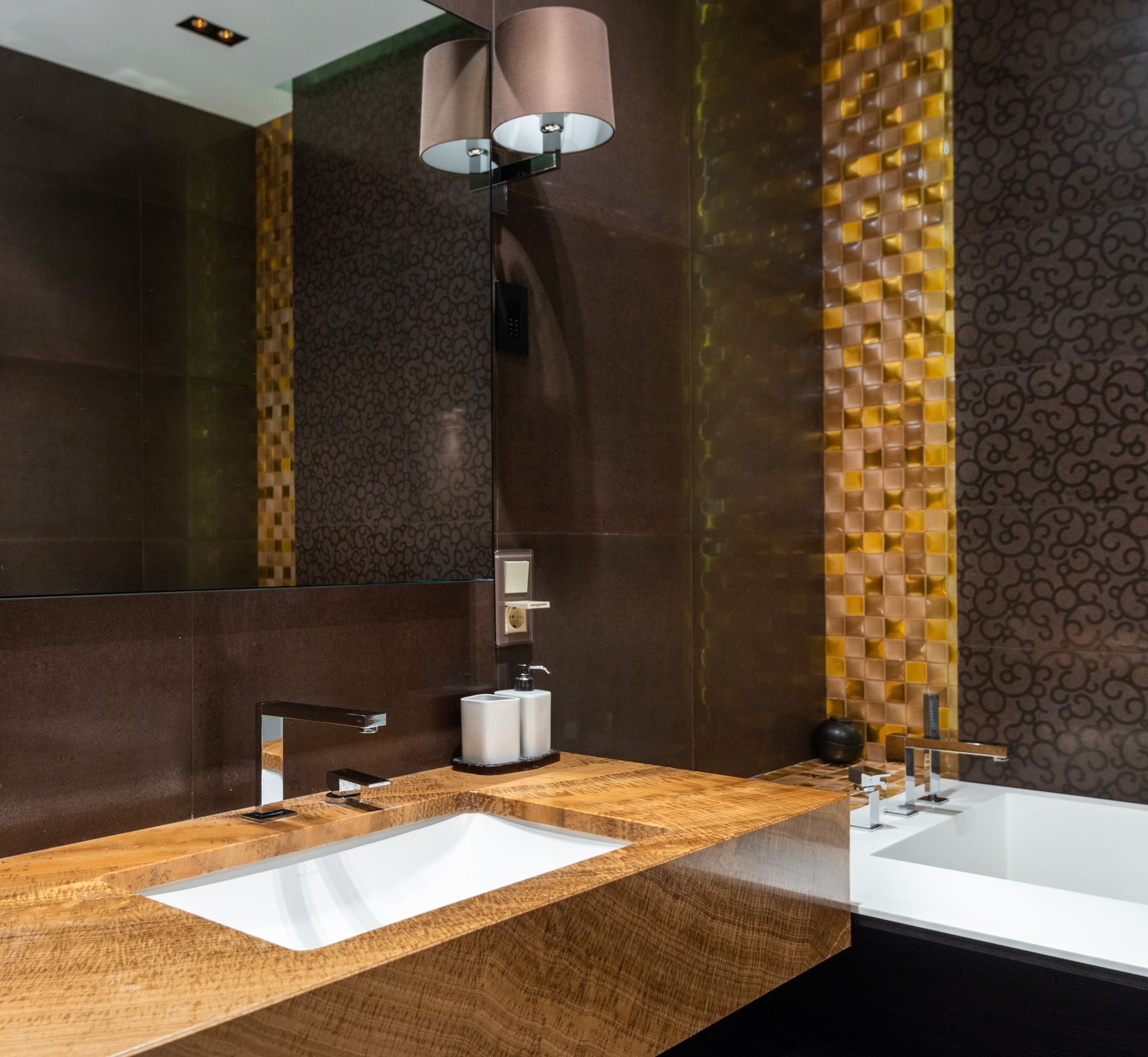
- Millwork and stone tops: 14 to 20 percent
- Plumbing fixtures and trim: 9 to 14 percent
- Glass: 4 to 8 percent
- Lighting, controls and commissioning: 3 to 6 percent
- Project management, insurance and warranty reserve: 8 to 10 percent
Why the same room costs more downtown
A River North high-rise adds cost in ways that never appear in a finish schedule. Freight elevator time is booked by the hour. Hallway protection is mandatory and often specified by management. Work hours are compressed into a six-hour window, so a task that takes one day in a house takes one and a half downtown. Insurance minimums are higher. And debris leaves through a loading dock on a schedule you do not control.
Across our projects, the same drawn scope typically runs 15 to 25 percent higher in a downtown tower than in a North Shore single-family home. None of that premium buys you a better bathroom. It buys you access.
Where to spend and where to hold back
If the budget is finite, and it always is, we push clients toward the things that are expensive to change later and away from the things that are easy to change later.
Spend on the structure of the room: the layout, the waterproofing, the floor heat, the blocking in the walls, the electrical layout and the ventilation. These are buried, they last for decades, and correcting any of them means demolishing finished work.
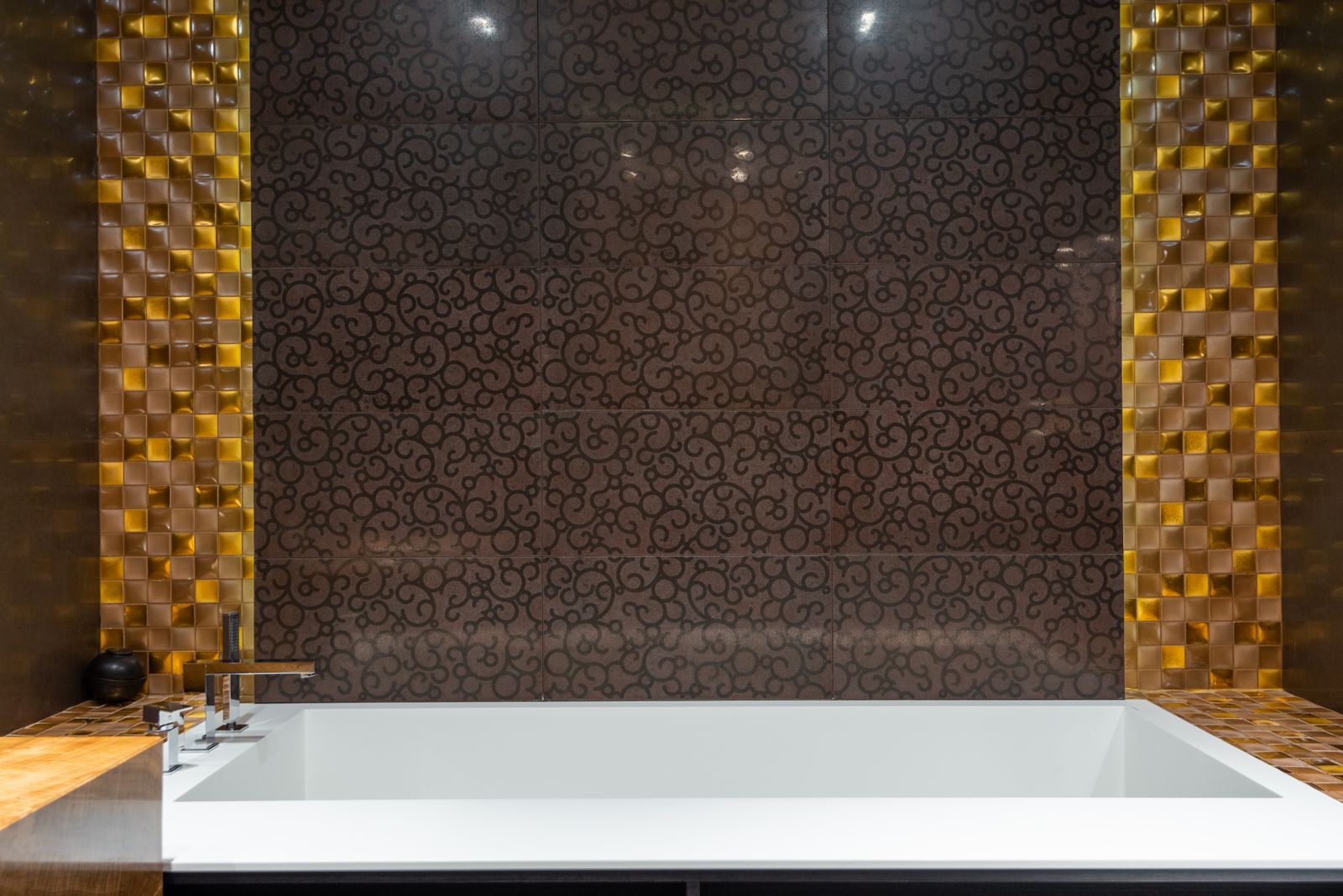
Hold back, if you must, on the feature slab, the metal finish and the decorative lighting. A honed porcelain field with excellent installation looks far better than a beautiful marble installed badly. And a feature wall can be added in year three if the wall behind it was built for it.
The cheapest expensive decision in a bathroom is blocking. It costs almost nothing while the walls are open and it costs a demolition to add later.
What we cannot price from a photograph
Clients sometimes send photographs and ask for a number. We can give a range, and we do. But three things routinely change that range by tens of thousands of dollars and none of them are visible in a photograph: the condition behind the tile, the joist depth under the floor, and what the building will allow.
That is why our first visit includes opening a small inspection panel. Twenty minutes with a flashlight tells us more than an hour of conversation, and it is the difference between a range and a number.